And why this doesn’t mean you’re going backwards
Every January, we see the same pattern quietly emerges in clinic.
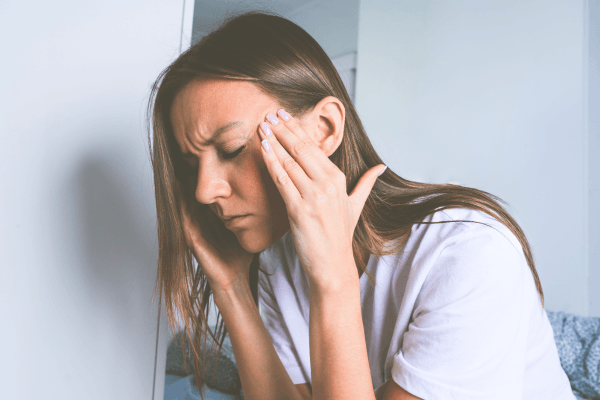
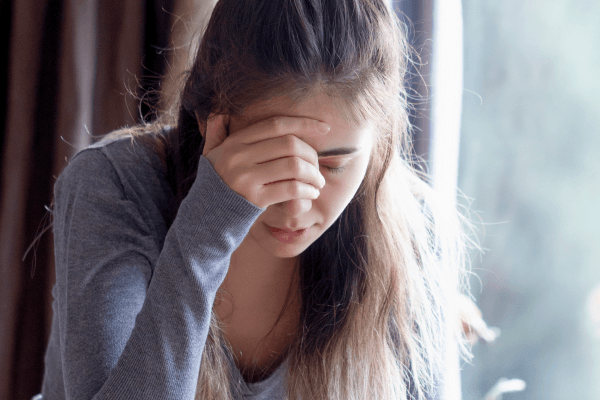
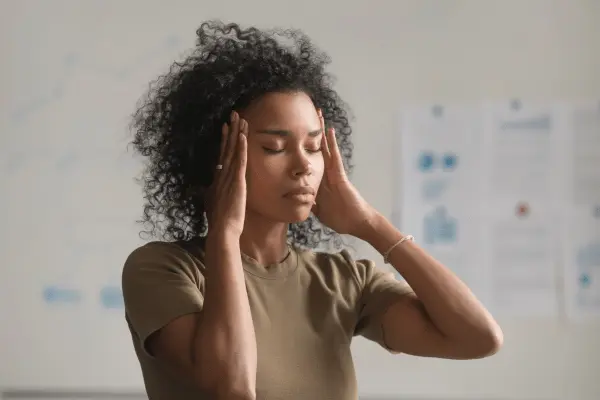
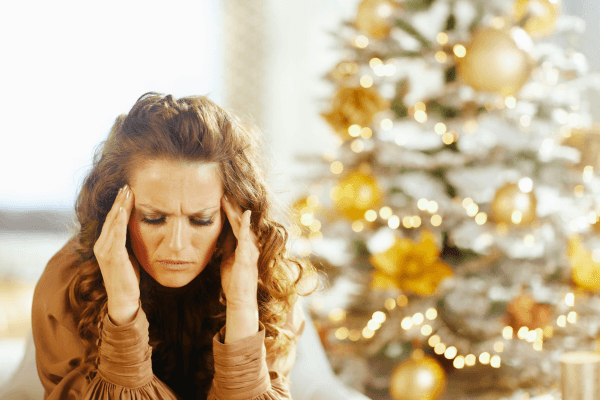
People arrive feeling confused and unsettled. They tell us they “got through” Christmas — the long days, the social demands, the disrupted routines — only to feel worse once it was all over. Dizziness that had been tolerable suddenly feels louder. Migraine symptoms creep back in. Visual environments feel overwhelming again. Balance feels unreliable. Anxiety follows close behind.
The question we hear most often is simple:
Why now?
If you’re experiencing a post-holiday flare of Vestibular migraine or Persistent Postural-Perceptual Dizziness (PPPD), this article is for you. Not to minimise what you’re feeling, and not to offer false reassurance — but to explain what is happening in your nervous system, why this timing makes sense, and what actually helps things settle again.
First, an important truth: this flare is common, and it is not a failure
One of the most important things we say to patients at this time of year is this:
A flare after the holidays does not mean your condition is worsening, progressing, or becoming permanent.
In vestibular practice, January and February flares are so common that they are almost predictable. They occur most often in people who have been coping remarkably well under sustained pressure — until the pressure drops.
Vestibular migraine and PPPD are not conditions of structural damage. They are conditions of nervous system sensitivity. And sensitive systems do not always respond in the way we expect. They don’t necessarily flare during stress. Very often, they flare after.
Vestibular migraine is not “just migraine without the headache”
Vestibular migraine is frequently misunderstood, both by patients and by clinicians, because it does not always present with classic head pain. Many people experiencing disabling dizziness, motion sensitivity, visual intolerance, nausea, internal movement sensations, or head pressure are told they “don’t have migraine” because they are not lying in a dark room with a pounding headache.
In reality, vestibular migraine is a disorder of how the brain processes sensory information — particularly vestibular and visual input. The migraine brain has a lower threshold for overload. It is more reactive to changes in sleep timing, stress, hormonal shifts, illness, diet, and sensory stimulation.
For some people, head pain is prominent. For others, it is absent altogether. The absence of headache does not make the condition less real, and it does not make it easier to recover from.
PPPD: when the nervous system learns to stay on high alert
PPPD is best understood as a learned pattern of threat and protection within the nervous system. It often develops after an initial vestibular event such as vestibular migraine, vestibular neuritis, BPPV, illness, injury, or a prolonged period of stress.
Over time, the brain begins to rely more heavily on vision, posture, and conscious control to maintain balance. Movements that were once automatic become monitored. Environments that were once neutral begin to feel unsafe. The nervous system becomes excellent at detecting “something not quite right,” even when there is no danger present.
This is not psychological weakness. It is neurobiology doing its job too well.
Many people do not have either vestibular migraine or PPPD in isolation. They have both, interacting with one another. Migraine biology lowers the sensory threshold; PPPD sustains the pattern.
Why symptoms often flare after Christmas, not during it
The idea that symptoms should improve as soon as stress stops is intuitive — but it is not how the nervous system works.
During prolonged periods of demand, the body adapts. It increases alertness, adrenaline, muscle tone, and cognitive effort to get through. Many people with vestibular conditions describe “running on fumes” in the lead-up to the holidays, but pushing through because they have to. When the demand finally drops, the nervous system no longer needs to suppress signals. Protective tension releases. Adrenaline falls. And the symptoms that were held at bay surface.
This delayed response is well recognised in migraine-sensitive nervous systems. It is not a setback. It is a release.
Sleep disruption quietly lowers the threshold
One of the strongest drivers of post-holiday flares is sleep — not necessarily sleep quantity, but sleep timing.
Later nights, inconsistent wake-up times, disrupted routines, alcohol-affected sleep, travel, unfamiliar beds, and childcare changes all shift the circadian rhythm. For the migraine brain, these shifts matter.
Even small changes in sleep timing can increase cortical excitability, destabilise vestibular processing, and make symptoms more reactive. Many people don’t feel the effect immediately. Instead, symptoms accumulate and peak days or weeks later, once normal routines resume.
Diet, histamine load, and delayed effects
Christmas eating patterns are different for almost everyone. Rich foods, leftovers, aged meats, alcohol, chocolate, and irregular meal timing all place extra demand on a system that is already sensitive.
For some people, this increases histamine load or neuroinflammatory activity. Importantly, the effects are often delayed. People assume that if a food were a trigger, they would feel it straight away. In reality, the nervous system response may not show up until days or weeks later.
This does not mean food is “the cause” of your condition. It means it can be one of many factors that temporarily lower the threshold.
Visual overload and motion exposure accumulate
The holiday period often includes long car trips, busy shopping centres, crowded environments, increased screen time, and unfamiliar visual settings. For a nervous system already prone to visual dependence, this adds up.
By the time January arrives, many people feel as though their tolerance has quietly eroded. Supermarkets feel harder. Scrolling feels uncomfortable. Driving feels effortful again. This can be frightening, particularly if progress had been made before.
Emotional load lives in the vestibular system too
The vestibular system is deeply connected to emotional processing and threat detection. Holidays can amplify grief, loss, family tension, role overload, and identity strain. Even joyful events can be exhausting.
Many people minimise this aspect, telling themselves they “should be grateful” or that stress was “nothing compared to before.” The nervous system does not measure stress morally. It simply responds to load.
Emotional strain often shows up physically, particularly in systems involved in balance and orientation.
Why flares feel so frightening
During a flare, many people say, “This feels different,” or “This feels worse than before.” What often changes is not just the symptom intensity, but the sense of trust in the body.
Fear increases vigilance. Vigilance increases perception. Perception amplifies symptoms. This loop is not a personal failing — it is how protective systems work.
Understandably, people begin monitoring constantly, checking how they feel, scanning for triggers, and seeking reassurance. Unfortunately, this keeps the nervous system in threat mode, which sustains PPPD symptoms even when the original trigger has passed.
What usually doesn’t help during a post-holiday flare
One of the hardest things for people to hear is that doing more is not always better.
During flares, we often see people intensify exercises, change treatments repeatedly, restrict diet aggressively, or chase reassurance through repeated testing. While well-intentioned, these approaches can reinforce the idea that something is wrong or dangerous, keeping the nervous system activated.
What actually helps things settle again
Recovery during this phase comes from steadiness, not urgency.
Predictable routines help the nervous system feel safe again. Consistent sleep and wake times, regular meals, gentle daily movement, and a reduction in constant symptom monitoring all support recalibration.
Graded exposure — not avoidance — allows the brain to relearn that movement and visual environments are safe. This needs to be carefully guided and paced. Too much avoidance increases sensitivity; too much pushing increases threat.
Education matters more than many people realise. Understanding why symptoms fluctuate, why flares occur, and what is not dangerous reduces fear. Reduced fear directly reduces symptoms.
The question everyone asks: how long will this last?
Vestibular recovery is rarely linear. That does not mean it is not happening.
For many people, post-holiday flares begin to soften over weeks rather than days. Intensity reduces first. Frequency follows. Over time, resilience returns.
Progress often looks like having symptoms but feeling less alarmed by them — and that is still progress.
When to seek help
Support is important if symptoms persist, are worsening, or are limiting daily life. Early, vestibular-informed care reduces the risk of symptoms becoming entrenched and helps people regain confidence sooner.
You do not need to “wait it out” alone.
A final word
If your vestibular symptoms flared after the holidays, it does not mean you undid your progress. It does not mean your condition is getting worse. And it does not mean you are fragile.
It means your nervous system has been under sustained load and is recalibrating.
Vestibular migraine and PPPD are treatable. Recovery happens through understanding, patience, and the right kind of support.
And most importantly — this phase passes.
If this sounds like you, and your wondering what to do, reach out to The Vertigo Co for a consultation, and we would be happy to guide you through this post Christmas period.